Changing the game doesn’t always require significant means. Sometimes, a simple rearrangement of furniture or the addition of well-thought-out storage is enough to transform a space. Too often, we underestimate the impact of these adjustments, even though they enhance comfort without resorting to major renovations.
Methods derived from ergonomics or borrowed from interior design prove their effectiveness every day. A few precise actions in strategic rooms: the benefits are immediately noticeable, in terms of circulation, the feeling of space, and ease of use.
Why rethinking the layout of your interior changes daily life
Daring to rethink the interior layout is to change your relationship with your habitat. A small space becomes a realm of freedom, provided it is adapted to your actual needs. Multifunctional furniture emerges here as allies: they allow you to save space while maintaining style and comfort. Custom solutions find their relevance in atypical configurations or narrow rooms, where every centimeter counts.
Thinking vertically also frees up space. Choosing wall shelves or high storage gives the floor more air and simplifies circulation. A house plan or a digital layout tool helps visualize, anticipate uses, and refine your project. This way, you control costs based on the area, materials, and number of rooms. Some hire an interior architect or decorator; others consult an occupational therapist to ensure comfort and safety.
Gradually, the home transforms into a space designed for oneself, evolving with needs. Concrete tools, such as the Yoja layout kit or 2D/3D software, make design more accessible. To deepen this approach and nurture your project, simply discover Place A online, a valuable resource for those wishing to combine space optimization and quality of life.
How to enhance the entryway and living spaces without completely transforming them?
Making the entryway a functional and welcoming space only requires a few targeted adjustments. Here are elements to consider for increased practicality right at the threshold:
- a compact shoe cabinet to avoid clutter,
- hooks to hang jackets and bags within reach,
- a mirror to visually enlarge the space,
- a discreet console to place keys and mail.
No need to multiply furniture: a few well-chosen accessories are enough to structure the space while keeping it fluid.
In the living spaces, subtle zoning facilitates circulation and creates a harmonious atmosphere. A plush rug under the living room table encourages relaxation, while a narrow bookshelf or open shelves separate the living room and dining area without closing them off. These visual markers define the functions of each corner without ever weighing down the overall feel. Lighting also plays a role: a well-placed floor lamp provides warm light, adjustable according to the time of day.
The choice of textiles directly influences the ambiance. Here are some options to prioritize for more comfort and character:
- varied cushions,
- cozy throws,
- plush armchairs that invite you to pause.
Light colors and natural light open up the space, while storage baskets, made of wicker or fabric, naturally find their place under a console or coffee table, ready to hold books and everyday items.
Few elements are needed: a clean decoration, a few carefully chosen decorative objects, and a beautiful harmony of materials. Drawing inspiration from these principles allows you to arrange each living space without embarking on heavy renovations. The interior becomes lively, welcoming, and easy to live in.

Concrete tips to enhance comfort and optimize every nook
Optimizing space is primarily about observing every nook to make the most of it. A living room equipped with a convertible sofa offers both relaxation and an extra sleeping solution for guests. A double-level coffee table multiplies storage possibilities without overloading the room. Wall shelves enhance height, freeing the floor for smooth circulation and airy living zones.
In the bedroom, it’s better to prioritize a bed with integrated storage and compact nightstands. Full-height closets make use of every inch of wall, discreetly hiding clothes and accessories. To visually enlarge the room, nothing beats light colors, good natural light, and a few well-placed mirrors.
Comfort also comes from sensory details. Here are various ideas to personalize and warm up the atmosphere:
- plush rugs underfoot,
- throws on the sofa,
- colorful or textured cushions,
- a few candles or soft-light lamps.
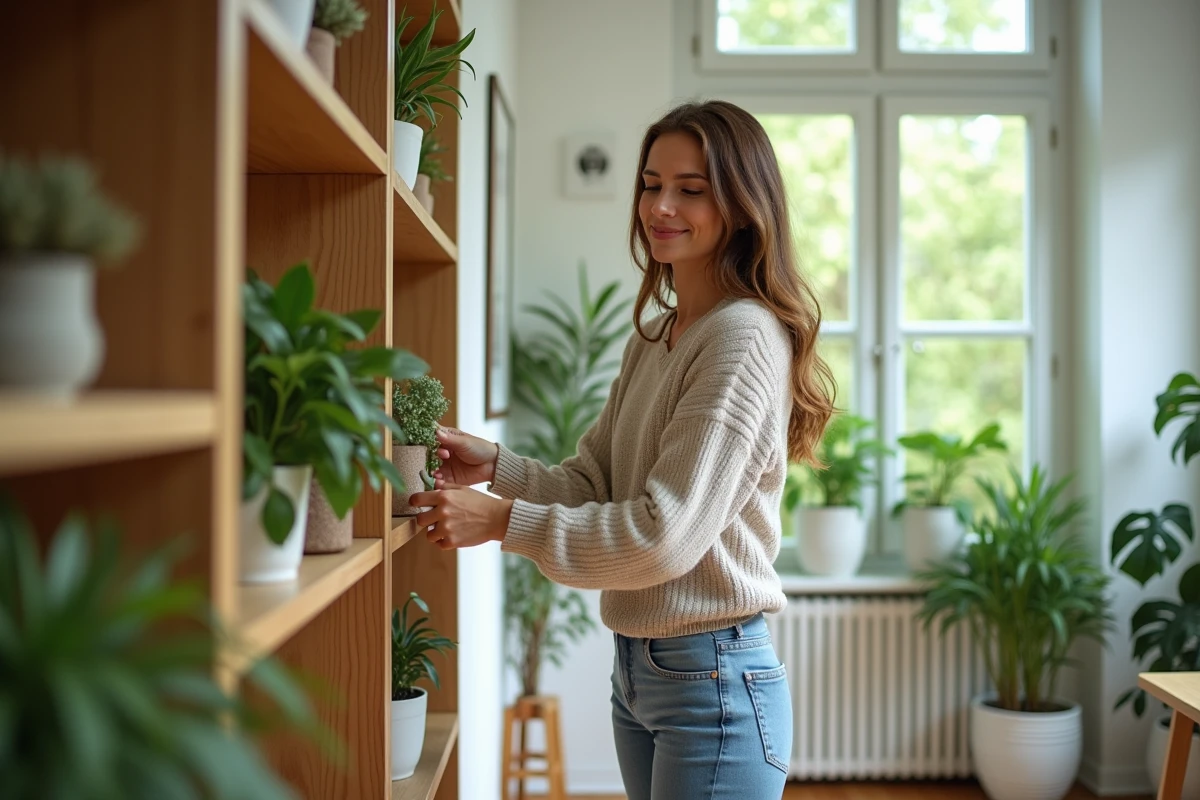
Add lively touches with green plants, vases, or dried flowers. Storage baskets, strategically placed, catch everything that’s lying around.
In passage areas, prioritize hooks and suspended furniture to lighten the atmosphere and organize shoes or accessories. Living spaces are defined by rugs, curtains, or light partitions that maintain conviviality. Arranging your interior is about orchestrating every detail to make daily life more flexible and pleasant, without ever losing sight of simplicity.
By rethinking every detail, you give your home a new breath. Daily life is reinvented, room by room, and you discover that living well at home often starts with a few well-chosen gestures.