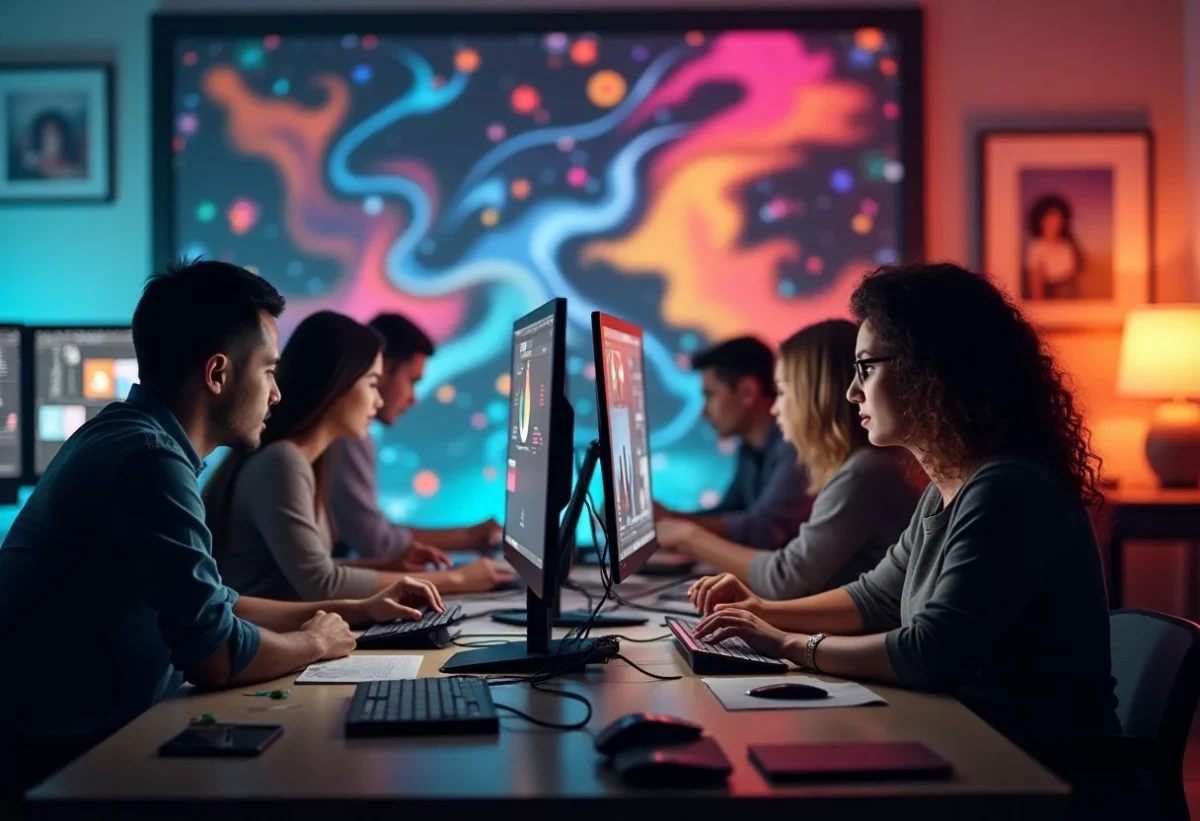
The world of graphic design is a fascinating realm where creativity and technology intertwine to bring captivating visual ideas to life. In a context where imagery plays a predominant role in communication, graphic design skills are more sought after than ever. Training in this field not only teaches basic techniques but also opens the door to enriching and varied careers. It’s not just about mastering software tools, but about developing artistic sensitivity, learning to communicate visually, and understanding client needs to create memorable projects. This educational journey is an exploration of color, typography, composition, and beyond, all while being grounded in an agile and forward-looking approach.
The Foundations of Graphic Design
Before diving into the complex world of graphic design, it is essential to understand its foundations. This base is not only technical but also theoretical.
- History of Art and Design: Understanding the artistic movements that have influenced modern design is crucial for developing an informed perspective.
- Color Theory: Color is not merely aesthetic; it conveys emotions and subconscious messages. It is a language in its own right.
- Typography: The science of letters, each character has its personality, and knowing how to combine them can transform a mundane design into a masterpiece.
Acquiring these foundations is vital for anyone looking to engage in a graphic design training. These elements are essential for navigating this complex field.
Essential Tools and Technologies
Modern graphic design relies on a technical mastery of software tools that allow concepts to be transformed into tangible visual realities.
To start, Adobe Photoshop remains one of the cornerstones of digital graphic creation. Many graphic designers use it to retouch images, create compositions, and experiment with visual effects. Next, Adobe Illustrator is indispensable for creating vector graphics, logos, and illustrations. Its interface may seem intimidating at first, but it is an invaluable asset once mastered. Finally, Adobe InDesign is often used for layout and the design of printed documents. Each of these tools plays a distinct yet complementary role in the graphic design process. Mastery of them is not only desirable but often required to enter the job market as a designer.
Developing Critical and Creative Thinking
Graphic design is not just about technique; it is also about developing critical and creative thinking that allows for problem-solving and innovation.
- Assessing Client Needs: Knowing how to ask the right questions and understand the client’s objectives is essential for creating designs that perfectly meet their needs.
- Research and Analysis: Observing what is being done elsewhere, analyzing market trends, and drawing inspiration from best practices helps stay at the forefront.
- Brainstorming and Sketching: Before moving to digital, taking the time to jot down ideas on paper can boost creativity and help explore new avenues.
The ability to think critically and approach each project with an innovative mindset is what distinguishes a good designer from a great designer.
Careers and Opportunities
Once trained, opportunities in the field of graphic design are vast and varied, ranging from advertising agencies to technology companies.
Graphic designers can specialize in several areas, such as brand design, which involves creating a cohesive visual identity for businesses. Interaction design, on the other hand, focuses on designing user-friendly interfaces for websites and mobile applications. Editorial design offers a career in the layout of magazines, books, and newspapers. Each specialization opens doors to unique and rewarding opportunities.
The job market is constantly evolving, offering dynamic and stimulating career prospects for qualified designers.