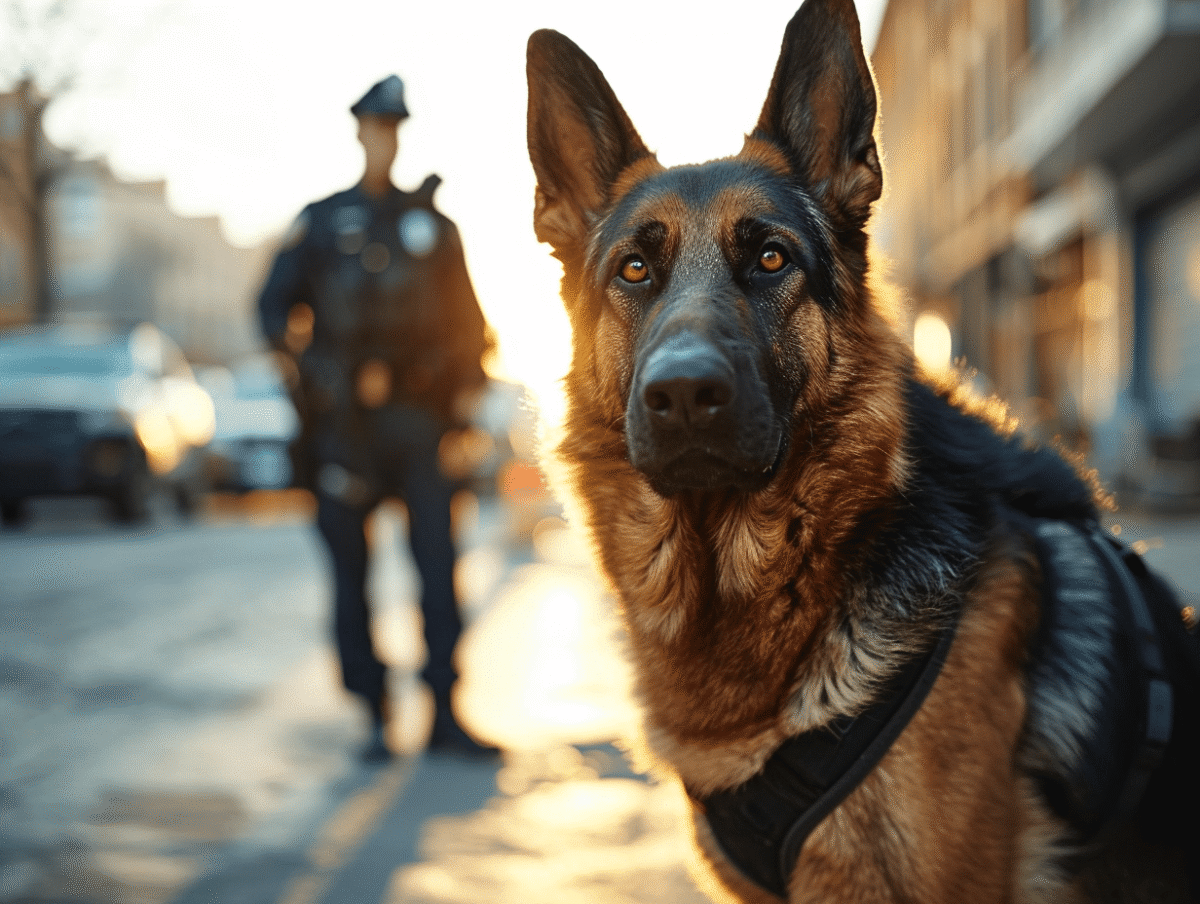
For centuries, dogs have been loyal partners to humans, playing crucial roles that go beyond mere companionship. At the heart of emergency services and law enforcement, police and rescue dogs embody this deep alliance. Equipped with exceptional scenting abilities and remarkable learning capacity, they are essential in searching for missing persons, detecting illegal substances, or deterring crime. Their specific training and unwavering dedication make them four-legged heroes, often at the forefront during perilous and demanding missions.
The Crucial Roles of Dogs in Police and Rescue Missions
Within law enforcement, police and rescue dogs are indispensable actors. The French Customs, for example, uses Labradors and German Shepherds for specialized search missions. These public utility dogs are trained to detect drugs or explosives with near-infallible precision, turning security into a meticulous hunt where every alert can save lives. The Labrador, known for its keen sense of smell, treats object control like a game. When a German Shepherd sits, it may mean it has detected explosives, discreetly and effectively signaling the threat.
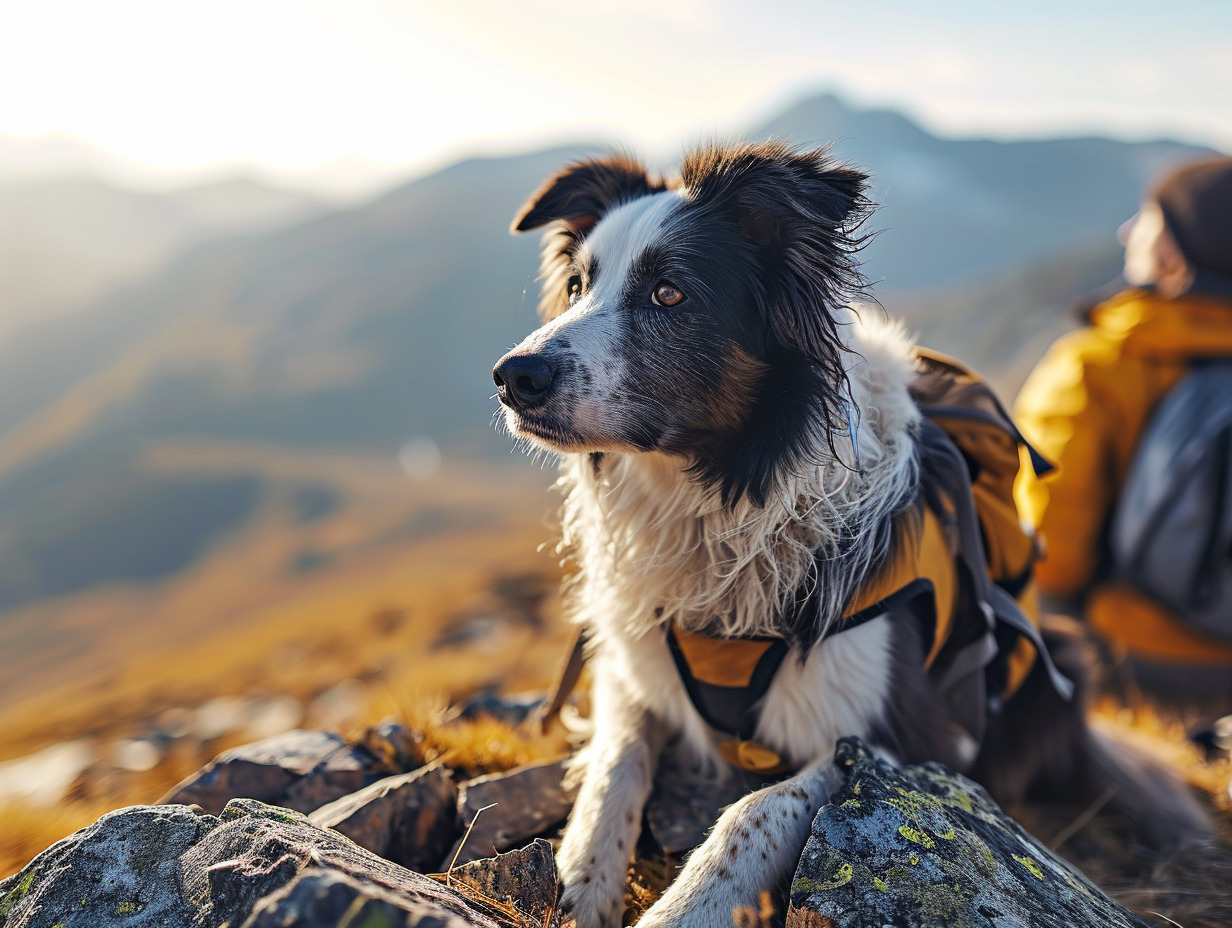
Rescue dogs often operate in extreme conditions, where every second counts. The CRS Montagne unit, for instance, relies on these canines to locate victims buried under avalanches or lost in the mountains. These rescue dogs are trained to work in hostile environments, where their endurance and bravery are put to the test. Their ability to navigate difficult terrain and communicate with their handlers makes them vital partners in search and rescue operations.
On the ground, the integration of these animals is a tangible success for law enforcement and rescue services. Establishments such as Amazing Pet Place testify to the growing enthusiasm for assistance dogs trained for specific purposes. These centers, in addition to promoting animal welfare, contribute to the rise of using dogs in professional contexts, thereby enhancing public safety and the responsiveness of emergency services. Police and rescue dogs prove their invaluable worth within protection and rescue frameworks every day.
Training, Performance, and Retirement of Police and Rescue Dogs
The training of police and rescue dogs is a crucial step in their integration into specialized units. At the Customs School in La Rochelle, Patrice Barsacq, a recognized canine trainer, guides future dog handlers in the rigorous education of their four-legged partners. These programs aim to develop skills such as detecting illegal substances or explosives for Labradors and German Shepherds. The CRS Montagne, for its part, turns to the National Avalanche Training Center (CNEAS) in Chamonix to train its rescue dogs for high mountain searches.
The performance of these canines is assessed through the National Certificate of Search and Rescue Dog Handler, a demanding qualification that requires an education level equivalent to the baccalaureate and a clean criminal record for the handler. This certification is tangible proof of the duo’s ability to operate effectively during rescue or security control missions. It signifies careful education, where the animal learns to respond to commands with diligence and precision.
Police and rescue dogs, at the peak of their careers, demonstrate exceptional abilities in obedience, strength, and intelligence. Daily training, tailored to the demands of the field, ensures they maintain their physical and mental condition. These specialized animals thus become vital instruments for their units, capable of sniffing out clues invisible to the human eye and locating missing persons in often perilous conditions.
The future of these dogs, after years of service, is managed with as much seriousness as their training and active careers. The retirement for these canine heroes typically occurs around the age of 8 to 10 years, when their operational capacity begins to decline. Canine services ensure that these dogs, who have dedicated their lives to public service, are welcomed into a warm and suitable environment, often by their former handler or by families dedicated to their well-being in their final years.