
When you push open the door of an Audika center for the first time, the question of budget often arises even before the hearing assessment. Between class 1 models with no out-of-pocket costs and connected class 2 ranges, the price difference can be surprising. Understanding what makes up the bill helps avoid unpleasant surprises and choose a hearing aid that suits both one’s hearing loss and budget.
Class 1 or class 2 at Audika: what the regulatory choice really changes
We often hear about the 100% Health device without knowing exactly what it entails in the center. Specifically, class 1 hearing aids are subject to a maximum selling price that is the same across all audioprosthetists, including Audika. If you have a so-called “responsible” health insurance, the out-of-pocket costs can drop to zero.
Class 2, on the other hand, operates at free pricing. This is where you find the Audika 360 and 360+ ranges, with features like Bluetooth, battery-free charging, or noise processing through artificial intelligence. The price per ear then rises significantly, but coverage by Social Security and mutual insurance remains partial.
To get a precise idea, you can consult a detailed comparison on the price of Audika hearing aids even before making an appointment. This allows you to arrive at the center with concrete benchmarks rather than discovering the pricing grid on-site.
Warranty and audioprosthetist follow-up: what is included in the Audika price
A hearing aid is not just a device. At Audika, the displayed price includes a set of services that many first-time users underestimate. This “package” partly explains why the price seems high compared to an amplifier sold online.
- The minimum 30-day trial period, mandated by the 100% Health regulation, allows you to test the device in your real-life conditions before any financial commitment.
- The 4-year warranty covers breakdowns and follow-up by the audioprosthetist throughout this duration, with regular adjustments included.
- The initial hearing assessment is free at the Audika center, which avoids incurring costs before even knowing if a hearing aid is necessary.
- Post-purchase adaptation sessions are part of the service, a point often absent from low-priced online offers.
This four-year follow-up represents a significant part of the total cost. When comparing two quotes, it’s essential to check if these services are included or charged extra.
In-ear hearing aids or behind-the-ear models: the impact on price
The type of hearing aid chosen directly affects the bill. At Audika, we mainly distinguish three families of models, each with its budget constraints.
In-ear and invisible devices
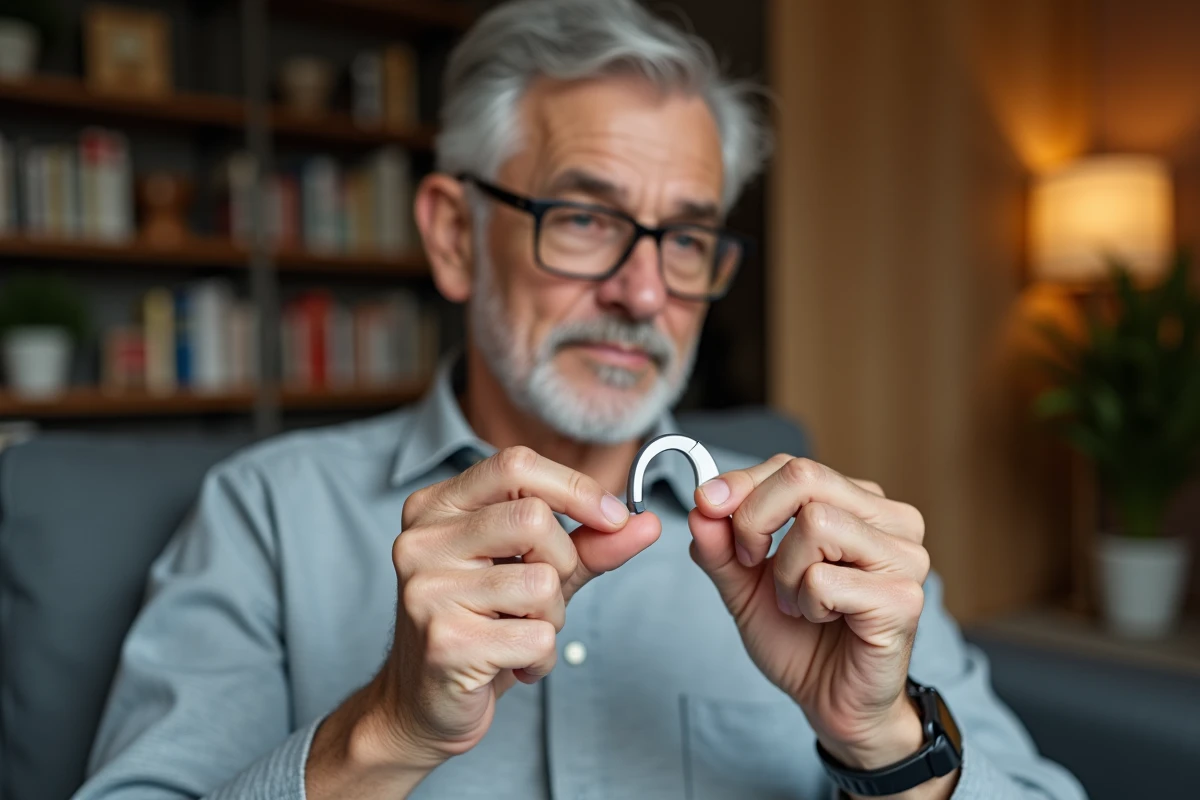
In-ear models fit directly into the ear canal. Their custom manufacturing and miniaturization explain a higher price. They are suitable for mild to moderate hearing losses, but their discretion comes at a cost that class 1 does not always cover.
Mini-behind-the-ear and classic behind-the-ear models
Behind-the-ear models remain the most versatile devices. They adapt to moderate as well as severe losses. In class 1, there are fully functional Audika mini-behind-the-ear models, with no out-of-pocket costs under certain conditions. The 360 and 360+ versions add connectivity and finer sound processing but fall into class 2.
RIC models (receiver in the canal) combine the lightness of a mini-behind-the-ear with quality sound reproduction. Feedback on this point varies depending on the degree of hearing loss, hence the importance of testing several types during the 30-day trial period.
Hearing loss in those under 20: a different pricing framework at Audika
We don’t always think about it, but regulations provide distinct conditions for people under 20. The maximum selling price of class 1 devices and the reimbursement base by Health Insurance differ from those applied to adults. This means that the budget to be expected for a teenager fitted with a hearing aid at Audika will not be the same as for a senior.
This difference in ceiling reflects the consideration of specific needs related to the auditory development of young patients. In practice, the out-of-pocket costs for a minor can be even lower than for adult fittings, depending on the insurance taken out.
Carefully reading an Audika quote before committing
A hearing aid quote contains several lines that we tend to skim over. A few points deserve special attention to avoid comparing offers that do not cover the same services.
- Check if the quote mentions one or two devices: most hearing losses require bilateral fitting, which doubles the amount.
- Identify the class of the proposed device (class 1 or class 2), as this determines the level of reimbursement.
- Ensure that the warranty duration and the number of follow-up sessions are clearly stated.
A clear quote distinguishes the price of the device from the cost of follow-up services. If everything is grouped into a single line, ask the audioprosthetist for details before signing.
The choice of a hearing aid at Audika depends as much on the model as on the regulatory framework in which it falls. Class 1 or class 2, in-ear or behind-the-ear, adult or minor: each parameter affects the bill. Taking the time to compare quotes line by line remains the best way to manage your hearing budget.