
Sometimes, the list of ingredients rules the day. But when scallions are absent or hard to find, it doesn’t mean the end of a recipe. Other vegetables from the allium family are ready to take over, each with its own nuances of aroma and use.
Substituting scallions is not just about picking another onion at random. The choice of alternative influences the structure, the strength of flavor, and even the way the dish reveals itself during tasting. Between sweetness, spiciness, and crunchiness, we navigate by sight: each option leaves its mark, subtle or pronounced, depending on when it enters the scene.
Why replace scallions in cooking: understanding their uses and limitations
The scallion, also known as green onion, spring onion, or bunching onion, is part of the large Allium family. It graces various dishes, both raw and cooked, thanks to its subtle and slightly spicy flavor and its crunchy texture that holds up even during cooking. Salads, woks, omelets, pickles, broths, or sauces: it works in all. Both the stalk and the bulb are used, even the roots when grown at home.However, scallions can sometimes be elusive. Between May and July, it’s peak season, but they can quickly disappear from stalls due to weather whims or attacks of downy mildew (Peronospora destructor). Cross-allergies to alliums (see the NY Allergy Center) also force some to seek alternative options. And then, there are those days when scallions are simply not in the pantry. Searching for substitutes for scallions then becomes a culinary survival reflex.Replacing scallions is primarily about understanding what they bring to the recipe: freshness in a salad, crunch in a wok, sweetness in an omelet, or that green note that adds charm to a topping. Alternatives must meet this texture-flavor duo of onion, whether opting for green onion, scallion, chives, or shallots, depending on the context. In terms of preservation, scallions stay fresh for a few days in the fridge, but nothing miraculous: freezing or re-growing extends the duration, but freshness doesn’t last indefinitely.In terms of nutrition, scallions score well in vitamins C and K, antioxidants, calcium, and potassium. Substitutes do not all offer the same cocktail, but cooking sometimes has to juggle with absences. To explore alternatives, discerning cooks will find detailed answers on the substitutes for scallions page, designed to refine each recipe without sacrificing aromatic balance.
Which alternatives to choose based on your recipes? Overview of the best substitutes
In the large family of alliums, options abound. Each substitute has its character, texture, and method of use. For salads or as a topping, green onion stands out: it is the closest to scallions, with its freshness and crunch. Just finely chop it over a cold dish or in a broth. The leek, milder, finds its place in quiches or soups, provided you choose the white part, which is tender and blanched.If the goal is to enhance the dish, shallots work wonders in dressings and sauces: they bring spiciness without overwhelming the dish. Chives make a delicate garnish on an omelet or gratin, adding a fresh, light note. Scallion, very present in Asian cuisine, offers a sharper spiciness, ideal for woks and pickles.
Here are some alternatives to prioritize based on the type of dish:
- Spring onion: sweet and melting, it enlivens crunchy salads.
- Young garlic: more subtle, it flavors marinades and infusions.
Each substitute has its own personality and aromatic balance. It’s up to everyone to play with these options to find the touch that fits the dish, whether looking for crunch, sweetness, or a hint of spiciness.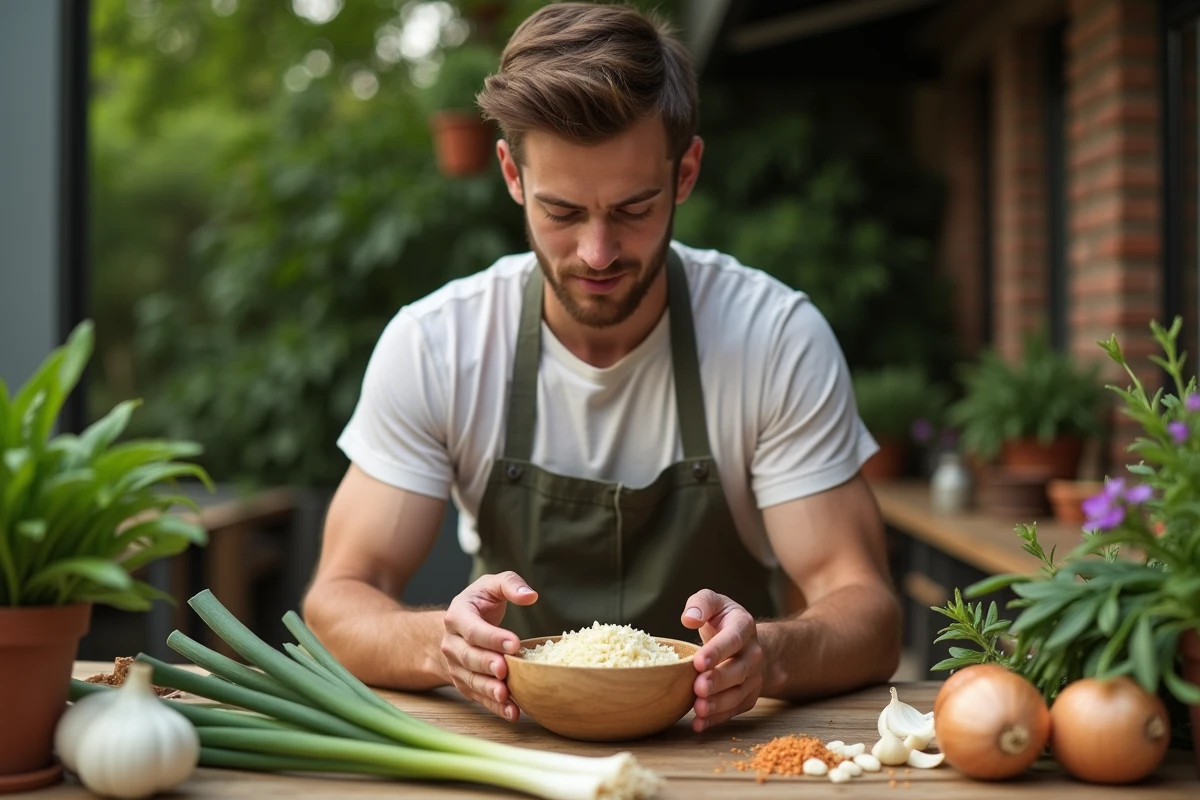
Practical tips for succeeding with these replacement ingredients
Pay attention to the cut. The green onion or scallion should be sliced into thin rounds, perfect for maintaining crunch in a salad or as a garnish. The leek or shallot benefit from being cut thicker to reveal their melting quality during cooking. With chives, a simple chop is enough, to be added to an omelet just before serving.Master the cooking. Not all substitutes withstand heat in the same way. Spring onion benefits from being quickly sautéed in a wok or pan, with a drizzle of olive oil to bring out its sweetness. In a soup, scallion or young garlic should be added at the very end of cooking to preserve their delicacy.Play with seasoning. The balance between salt and soy sauce is particularly important in Asian cooking. Since shallots or scallions already have some spiciness, go easy on the pepper. For stews or gratins, consider adding fresh herbs at the last minute to keep their flavor.
Some concrete applications based on the type of recipe:
- In a salad: raw green onion, olive oil, a pinch of salt.
- For an omelet: chives or scallion added just before serving.
- In a soup: spring onion quickly sautéed before adding to the broth.
Nothing goes to waste: the green tops of spring onions can be recycled like chives, to add a fresh note to all garnishes. Test, adjust, and let each substitute reinvent your dishes without sacrificing their balance.A dish doesn’t wait for scallions to reveal its potential: alternatives exist, ready to shake up your habits and unveil other nuances. What matters is the precision of the gesture and the pleasure of surprising, even with the unexpected.