
Most recipes published online follow the same basics, the same flavor combinations, the same formats. Awakening your taste buds every day requires more than just a simple catalog of dishes: it involves understanding what drives you to cook differently, identifying the real constraints of daily life, and spotting the concrete levers to break free from a food routine without dedicating hours to it.
Anti-waste cooking: an underutilized field of original recipes
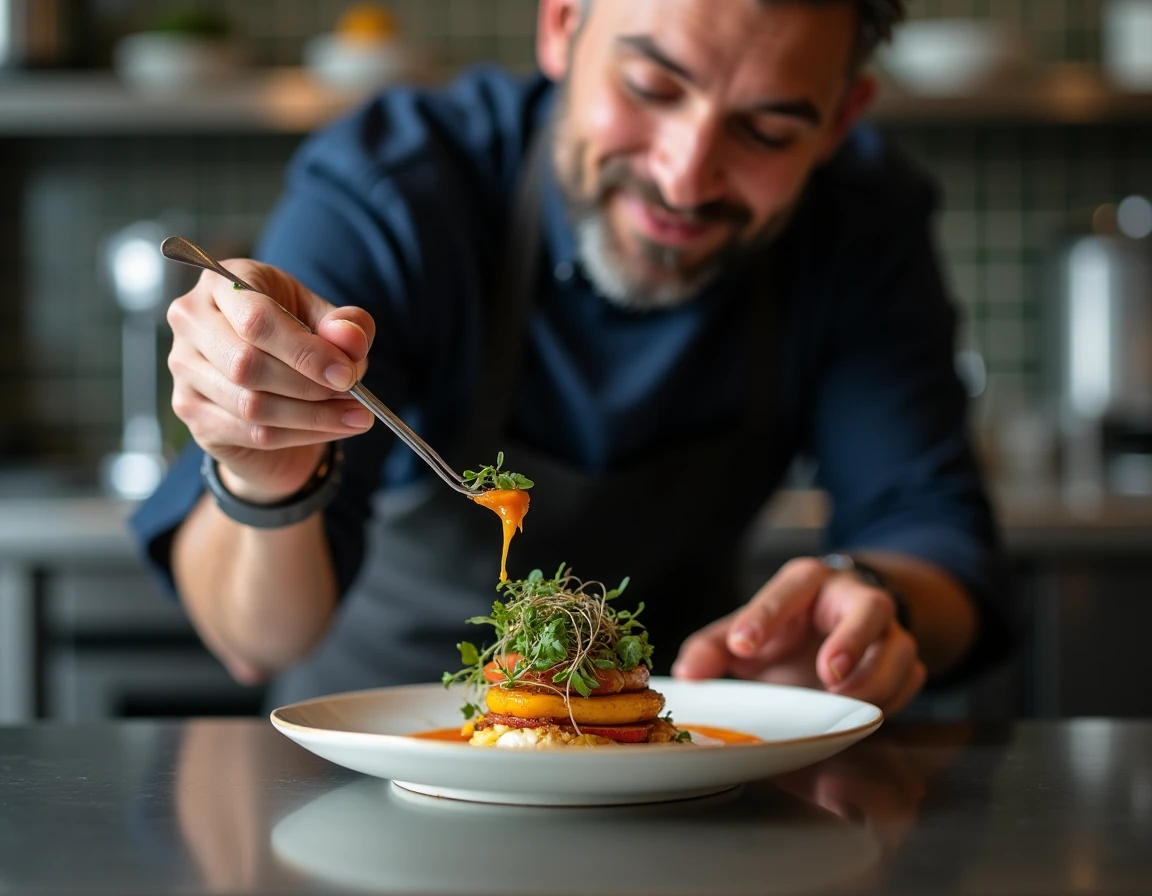
Transforming stale bread into spiced croutons or savory pudding, cooking radish tops into pesto, using vegetable peels for a fragrant broth: these actions are no longer just culinary tinkering. The anti-waste approach has become a fully-fledged editorial focus in French cooking, championed by works like La cuisine zéro gaspi by Florence-Léa Siry, published by Larousse.
What makes this approach interesting for awakening the palate is that it forces you to step outside of usual patterns. When starting from an ingredient you would have thrown away, you no longer follow a classic recipe. You improvise, taste, and adjust. Resources like goutsetpassions.fr gather these types of culinary approaches that focus on creativity rather than a shopping list.
Radish tops, cores, and cheese rinds become the basis for original recipes, provided you master a few simple techniques: dry roasting to concentrate flavors, quick marinating to soften a fibrous texture, or oven dehydration to create homemade condiments.
Quick lunch recipes for everyday: what remote work has changed
Since the widespread adoption of remote work, the question of lunch has changed in nature. We are no longer just looking for a quick recipe; we are looking for a quick recipe that can be made with a single tray, a microwave, or a kettle. This “ultra-daily” format has given rise to dedicated editorial collections, such as the Lunchbox series by Marabout, designed for meals eaten at work or at home.
A common pitfall: confusing speed with monotony. A dish prepared in fifteen minutes can awaken the taste buds if it plays with contrasts. Temperature, texture, acidity: these three parameters are enough to transform a bowl of rice into a memorable meal.
Three concrete levers to vary an express lunch
- Add a raw element to a hot dish (fresh herbs, sliced radishes, a squeeze of lemon at the last moment) to create a contrast of temperature and crunch
- Incorporate an unexpected source of acidity (rice vinegar, sumac, chopped pickles) that refreshes the palate and prevents taste fatigue
- Vary the cooking fats from day to day (toasted sesame oil, brown butter, chili-infused olive oil) to change the flavor profile without altering the base of the dish
The same basic ingredient can yield very different results depending on the fat used. This is a simple lever that many amateur cooks overlook in favor of more complex seasonings.
Nutritional guidelines and everyday recipes: a connection that remains unclear
The National Nutrition Health Program recommends increasing the share of legumes, whole grains, and vegetables in everyday diets. Recent publications, such as the guide “Manger sain, bon et pas cher” by the French Federation of Cardiology, offer simple recipes aligned with these guidelines.
However, the transition from nutritional recommendations to concrete recipes remains a weak point in most online culinary content. On one side, there are abstract nutritional fact sheets, and on the other, recipes without a health context. Few resources make the connection between the two in a readable way.
A telling example: legumes. Lentils, chickpeas, and dried beans appear in official recommendations, but their presence in everyday recipes remains marginal. The reason often lies in practical issues (soaking time, long cooking, perceived flatulence) rather than a lack of taste interest.
Cooking legumes without changing habits
Rather than replacing an entire dish with a lentil-based recipe, adding a handful of cooked legumes to an existing dish works better in practice. Roasted chickpeas on a salad, green lentils mixed with pilaf rice, white beans mashed into a tomato sauce: these additions change the texture and satiety without disrupting the meal.
Homemade seasoning and condiments: the most underestimated lever
The majority of original recipes shared online focus on main ingredients (meat, fish, vegetables) and treat seasoning as a detail. Feedback from the field varies on this point, but a trend emerges: cooks who vary their condiments more easily change their flavor profile than those who switch proteins or vegetables.
Preparing a homemade condiment rarely takes more than ten minutes and can serve multiple meals. Here are a few concrete ideas:
- A flavored salt (dried lemon zest mixed with fine salt and thyme) that transforms a fried egg into a fragrant dish
- A cold-made chili oil (chili flakes in olive oil, resting for a week) usable on pasta, pizza, or fresh cheese
- An herb-infused vinegar (tarragon, basil) that advantageously replaces industrial vinaigrette
- A miso paste mixed with softened butter, to spread on toasted bread or melt over roasted vegetables
These preparations can be stored for several weeks and allow you to awaken your taste buds without rethinking the entire menu. A simple meal (rice, steamed vegetable, plain protein) becomes a tasty meal with the right condiment.
Looking for original recipes every day doesn’t necessarily involve rare ingredients or complex techniques. The type of fat, acidity, homemade condiment, and creative reuse of leftovers are four axes that truly change the tasting experience without extending the time spent in the kitchen.