Interior decoration in 2024 is not just about choosing a wall color or a new sofa. Behind the color palettes and furniture choices lie technical constraints, regulatory developments, and manufacturing decisions that concretely shape decor trends. Understanding these factors allows for sustainable choices rather than following fleeting fashions.
Manufacturing Constraints Behind Curved Furniture and Dark Palettes
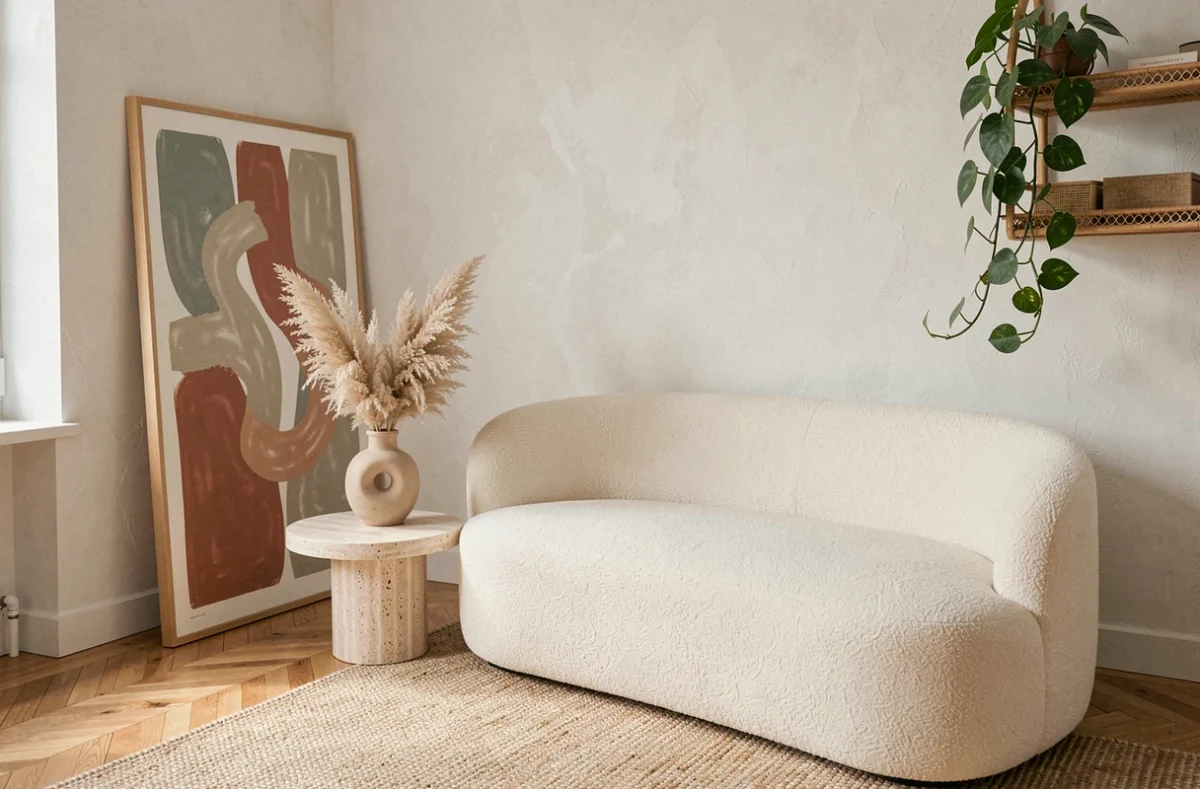
Curved furniture and finishes in deep tones are among the most visible trends in recent years. Their presence in catalogs is not merely a style effect.
An analysis of projects completed in 2024, published by Vizcraft, highlights the gap between general trend lists and what is actually implemented. Curved furniture poses specific manufacturing constraints: bending wood, adapted molds, longer production times. These pieces cost more to produce than furniture with right angles, which explains their positioning in the mid to high-end segment.
Dark palettes impose requirements in terms of visual ergonomics. A living room entirely treated in deep shades requires more precise lighting work to remain functional on a daily basis. The desire for interior decoration in dark colors must therefore be accompanied by a coherent lighting plan, lest it create a stifling space.
To explore furniture pieces and accessories that incorporate these trends, one can discover the Madmoizl Déco website and find concrete references suitable for different budgets.
Natural Materials and FSC Label: From Marketing to Basic Criterion
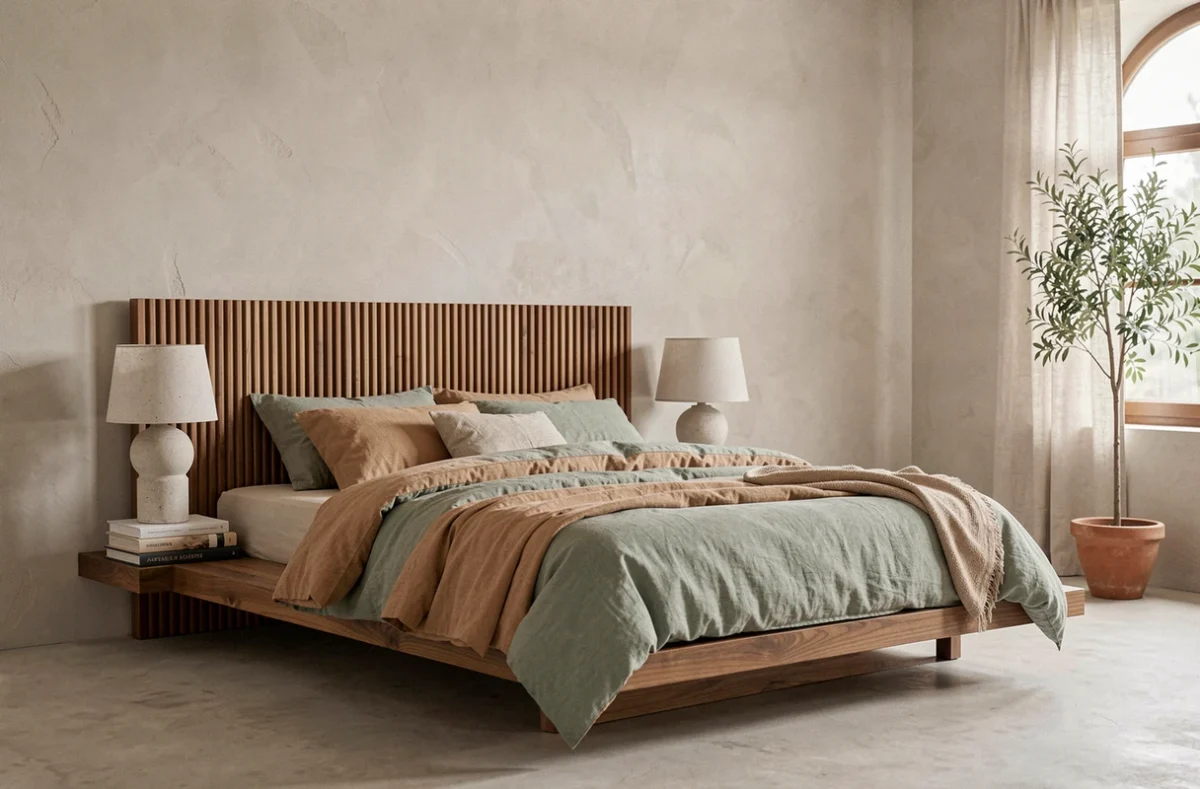
Wood, rattan, linen, and wool are back in all decor trend articles. What has changed in 2024 is the shift from a promotional argument to an effective purchasing standard.
According to the guide published by Bonheur Maison (updated in September 2026), the FSC label for wood is no longer a one-off marketing argument but a widely adopted basic criterion in the mid and high-end offerings. In other words, a solid wood piece without environmental certification is starting to become the exception in stores that position themselves on quality.
This shift has practical consequences for a renovation or design project:
- A FSC-certified piece of furniture guarantees traceability of the raw material, from the logging site to the manufacturing workshop.
- Textiles made from natural fibers (linen, wool, organic cotton) follow the same certification logic, with labels like GOTS for organic textiles.
- Rattan and bamboo, often presented as eco-friendly by nature, are only truly so if their harvesting and processing meet documented standards.
Choosing natural materials for one’s home is no longer enough. The pertinent question in 2024 concerns the traceability of these materials.
European Ecodesign Regulation: What Will Change for Furniture and Decor
Decor trend articles rarely mention the legal framework. The European regulation ESPR (2024/1781) on ecodesign will restructure furniture design in the coming years, and its effects are already being felt in manufacturers’ choices.
This regulation notably provides for the introduction of a digital product passport (DPP) for furniture. Each piece of furniture sold in the European Union will eventually need to be accompanied by a set of standardized data: material composition, estimated durability, repairability, recycling instructions.
The first delegated acts are expected soon, and the furniture sector is among the priority categories. For consumers, this means that a furniture purchase made today could be evaluated tomorrow based on criteria that the manufacturer had not anticipated.
In practical terms, several consequences are emerging for a decoration project:
- Furniture designed to be disassembled and repaired will gain in value, as it will meet the regulation’s requirements.
- Composite materials that are difficult to recycle (certain particle boards, non-separable synthetic foams) may see their market share decrease.
- The purchase of second-hand and refurbished furniture naturally fits into this regulatory logic, beyond mere aesthetic trends.
A repairable and traceable piece of furniture will be worth more than a piece that is simply trendy. This framework changes the way to decide between two pieces when furnishing a living room, kitchen, or bathroom.
Colors and Space Planning: Balancing Trend and Durability
Earthy colors (terracotta, sage green, warm brown) and bright shades (pink, Klein blue, orange) coexist in this year’s proposals. The choice between these two families is not just a matter of taste.
A palette of neutral and earthy colors ages better over time. A wall painted in terracotta remains coherent with successive changes in furniture. In contrast, a flat of Klein blue or bright pink quickly dates an interior and requires frequent touch-ups if one wishes to stay in tune with the evolution of their own taste.
For a renovation project with a controlled budget, the most rational choice is to reserve bright shades for easily replaceable elements: cushions, lighting fixtures, decorative objects. The structural surfaces (walls, floors, kitchen countertops) benefit from remaining in stable tones.
This logic also applies to the design of home workspaces, which have become permanent for a significant portion of the workforce. A desk set up in a corner of the living room or in a dedicated room must combine visual comfort and functionality over several years, not just correspond to the trend of the moment.
The common thread of interior decoration in 2024 is less about a palette or style than about a fundamental question: does each decor choice withstand the test of time and future regulatory requirements? Trends may come and go, but certified materials, repairable furniture, and well-chosen colors remain.